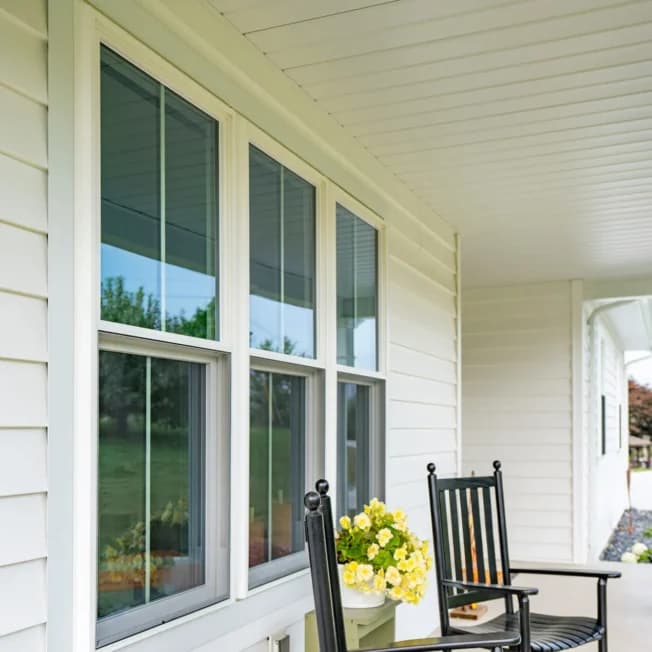
Yes, windows can be replaced in winter, and for a lot of homeowners it's actually a good time to do it. The house doesn't sit open to the cold all day, the crew works one opening at a time, and you find out exactly which windows were letting the heat out while it still matters.
Most people assume window work is a spring-and-summer job. That's when the phones ring the most, and it's when the big companies run their promotions. But the reasons people give for waiting, mostly "won't the house freeze?", don't really hold up once you see how a replacement day actually goes.
How a winter install actually works
Nobody pulls every window out of the house at once. The crew removes one old window, sets the new one, shims it, fastens it, and seals and insulates the gap before moving to the next opening. On a typical insert replacement an opening is open to the outside for a short stretch, not hours. Full-frame jobs take longer per opening, but the same rule applies: one at a time.
On cold days a good crew also:
- Closes off the room being worked in, so the rest of the house stays warm.
- Lays drop cloths and keeps the door to the outside shut between trips.
- Uses sealants and foams rated for low temperatures. Some standard products need the surface above a minimum temperature to cure properly, so the material choice changes in winter.
- Leaves exterior caulking or capping for a milder day if the forecast is truly brutal, rather than doing it badly in the cold.
You'll feel a draft in the room being worked on. The rest of the house will be about the same as any other winter day with the thermostat doing a little extra work.
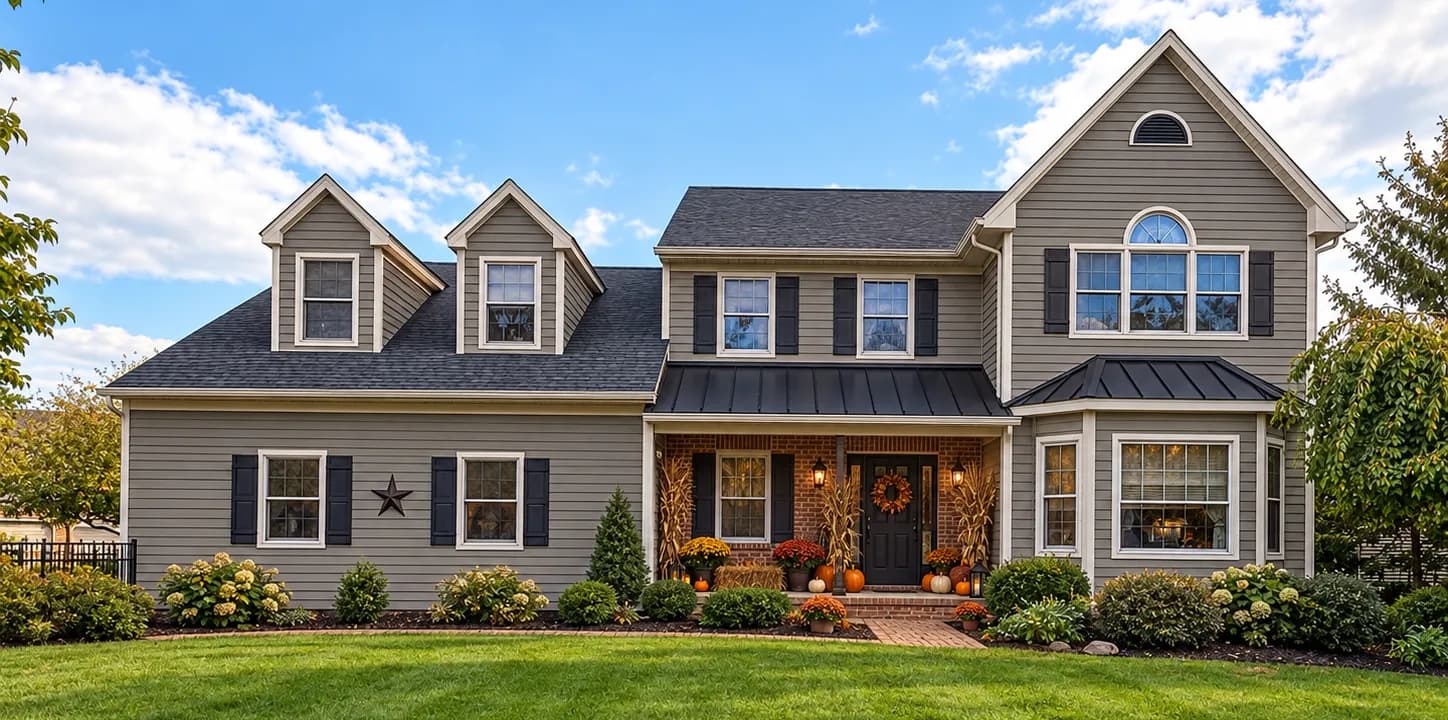
Why winter can be the better time
- Scheduling is easier. Spring is the busy season for window work everywhere. In winter, lead times on both the product and the crew tend to be shorter, so the gap between signing and install day is smaller.
- You can feel the problem. On a cold, windy day it's obvious which windows leak air and which don't. That makes it easier to decide which openings to do first if you're splitting the work into phases.
- You get the benefit immediately. New windows installed in December start saving on heating that same winter, instead of sitting there all summer waiting to matter.
- Inspection is honest. Rot, water damage and gaps around old frames are easier to spot when there's no foliage hiding the outside of the house.
What winter does change
A few things work differently when it's cold, and it's fair to know them:
- Weather days. Heavy snow, ice or sleet can push an install day. Nobody should be setting windows from an icy ladder.
- Exterior painting waits. If new trim needs paint, that usually happens when it's warm enough for paint to cure. Vinyl and aluminum capping don't have that problem.
- Old-house surprises are the same as any season. If a frame is rotted, it needs repair before the new window goes in. In winter that repair has to happen the same day so the opening can be closed up, which is one more reason the measuring visit matters. Our guide to replacing windows in an old house covers what typically turns up.
Doors are the same story
An entry door or patio door replacement is one opening, usually done in a day. The house is open longer than with a single window, so on a cold day the crew will stage everything first and keep the time the opening is actually open as short as possible. A drafty door in January is also the most obvious argument for doing it now rather than waiting until April.
What you can do to make the day easier
- Clear about three feet of space inside each window being replaced.
- Take down blinds, curtains and rods, or let the crew know if you'd like help.
- Shovel a path to the house and to each side that has windows being done.
- Plan to keep pets in a room that isn't being worked on.
- Bump the heat up a degree or two in the morning; it helps the house recover.
If you want to see what install days look like through the seasons, we share photos from recent jobs on our Facebook page.
Frequently asked questions
Can windows be installed in cold weather?
Yes. Windows are replaced one opening at a time, so the house is never fully open to the cold. Crews use sealants and foams rated for low temperatures and may leave some exterior finishing for a milder day.
How cold is too cold to install windows?
There isn't one magic number, but heavy snow, ice, sleet and extreme cold snaps are reasons to reschedule, mostly for safety and so exterior sealants cure properly. Ordinary Pennsylvania winter days are workable.
Will my house get cold during window replacement?
The room being worked on will feel drafty for a short time per window. The rest of the house stays close to normal, especially if the room is closed off and the thermostat is bumped up slightly that morning.
Is it cheaper to replace windows in winter?
Sometimes. Winter is the slower season, so scheduling is easier and some companies run off-season pricing. The bigger benefit is usually speed: shorter waits between signing and install day.
Can a front door be replaced in winter?
Yes. It's usually a one-day job. The crew stages the new door and materials first so the opening is only exposed for as long as it takes to remove the old unit and set the new one.
Thinking about doing it this winter?
We can measure now and schedule the install for whatever stretch of weather works for you.
Get a Quote