No, replacing every window in an old house isn't automatically the right move, and anyone who tells you it is before looking at your actual sashes is guessing. The honest answer depends on what condition the wood is really in, how much of the house's character is riding on those windows, and what problem you're actually trying to solve.
Houses built before the 1950s, and especially before 1920, were usually framed and trimmed with old-growth lumber. That wood grew slowly for a century or more before it was ever cut, which packed the growth rings tight and made the material genuinely denser and more rot-resistant than most of what comes off a lumber yard today. That's not nostalgia talking, it's just physics. But density doesn't make wood immune to a hundred years of paint buildup, sun exposure, foundation settling, and the kind of deferred maintenance that happens when three or four owners each assume someone else will deal with the windows eventually. Some sashes in a 1910 house are still tight, square, and perfectly serviceable. Others in the same house, on the same wall, are soft enough to push a screwdriver into. You can't tell which is which from the street. If you're not sure which category your own windows fall into, our guide on diagnosing a window problem before you call anyone is worth working through first, before money moves in either direction.
What "old house" actually changes about the job
Before you even get to the repair-or-replace question, an old house changes the mechanics of the job itself. Nothing about a house built in 1915 is a stock size. Rough openings were framed by a carpenter working from a plan, not cut by a machine to a standard dimension, so two windows that look identical from the sidewalk can be off from each other by half an inch or more. Most off-the-shelf replacement windows are manufactured in standard sizes, so fitting one into a non-standard opening either means custom-ordering a unit built to the actual measurements, which costs more and takes longer, or packing out the gap with jamb extensions and trim, which changes how the window sits in the wall and how it reads from outside. A company that shows up, measures once, and quotes a stock size off that single measurement is telling you they haven't looked closely.
Inside, most homes from this era are finished with plaster over wood lath instead of drywall, and that changes the trim-out around a window opening. Plaster doesn't flex or cut the way drywall does, and it's tied into the wall assembly differently. Pulling an old sash out carelessly can crack plaster well beyond the window opening itself, sometimes across an entire wall, because the plaster is one continuous shell rather than separate taped panels. Whoever does this work needs to know how to isolate the opening, protect the surrounding plaster, and patch it properly afterward, not just how to set a window in a hole.
Then there's lead paint. Any house built before 1978 may have lead-based paint somewhere in its layers, and older windows are one of the more likely places to find it, since sashes get painted and repainted more than almost anything else in a house. This is not a reason to panic, and it's not a reason to replace a perfectly good window out of fear. It's a reason to insist that whoever is sanding, scraping, prying, or cutting into painted wood on an older home is using proper lead-safe work practices, containing dust and debris, and not treating the job the same way they'd treat a twenty-year-old vinyl-clad unit. We'd rather explain that once up front than have a homeowner find out later that corners were cut.
Depending on where you are in Lancaster County, the house itself may also come with rules attached. Some boroughs and a handful of neighborhoods have historic-district guidelines that restrict visible exterior changes, including window replacement on street-facing elevations. It's worth a call to the township before you fall in love with a particular product, because the nicest new window in the world doesn't help you if it isn't allowed where you want to put it.
None of this is unique to old houses on its own, we walk through the general version of the repair-versus-replace decision on our repair or replace page, but an older house adds the constraints above on top of that baseline question.
When restoration is genuinely the better call
Restoration is the right call more often than most replacement companies want to admit, and it usually comes down to a short list of honest conditions:
- The sash itself is structurally solid, meaning no soft wood, no rot you can push a screwdriver into, and no split rails at the joints.
- The real problem is the glazing putty, which dries out and cracks over the decades and is a normal maintenance item, not a sign the window has failed.
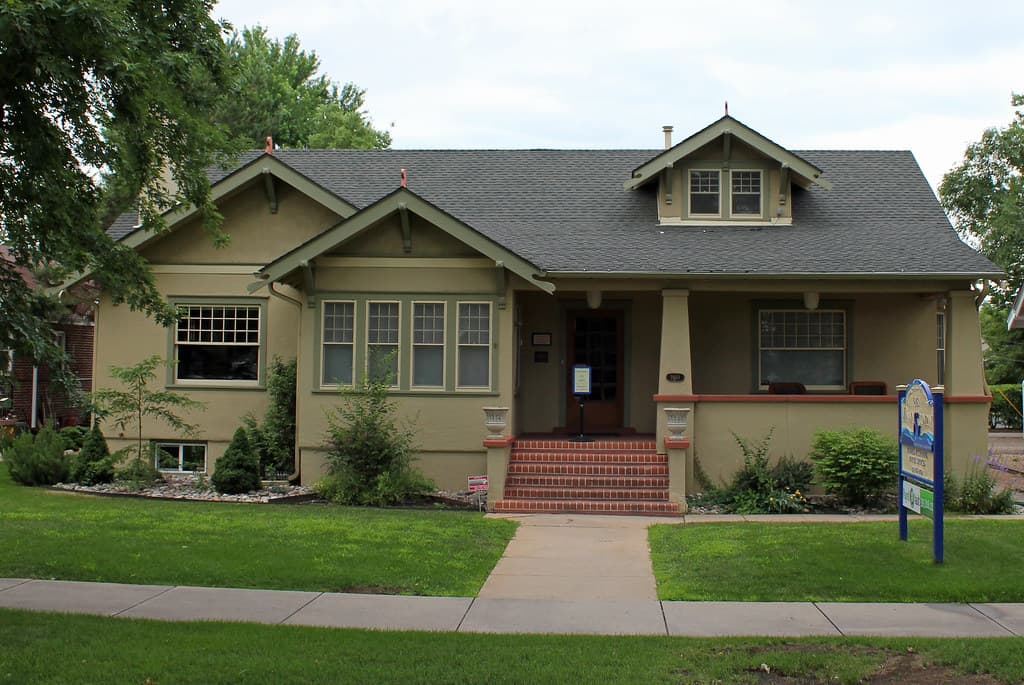
- The house has genuine visible historic character worth keeping, wavy glass, true divided lites, or proportions that simply don't exist in any off-the-shelf replacement window on the market today.
- You care about resale value tied to originality, which is real in certain Lancaster County neighborhoods where buyers specifically look for intact historic details.
A lot of what gets diagnosed as a failed old window is actually a failed balance system, the ropes, weights, or spring mechanism that let a double-hung sash slide up and stay up on its own. That's a completely separate problem from the wood itself being bad, and it's one of the most common reasons a genuinely good old sash gets thrown away. We cover that specific issue in more detail in why a double-hung window won't stay up, because it comes up constantly on houses exactly like this one.
None of this is us being sentimental about old wood for its own sake. The National Park Service has published detailed, practical guidance on repairing historic wood windows, and it holds up because it's based on how the material actually behaves, not preservation for its own sake. If you want the longer technical version, the National Park Service's preservation guidance on repairing historic wooden windows is free to read and worth it before you commit to a full-house replacement.
When replacement is honestly the better call
Replacement is the right call just as often, and pretending otherwise doesn't do anyone favors either.
- The sash is rotted past the point where a repair holds, meaning the wood crumbles or compresses under hand pressure rather than just showing surface damage.
- Panes are cracked, broken, or missing entirely, and the opening has been sitting that way long enough that the frame underneath has started absorbing water.
- A previous "repair" actually made things worse: windows nailed shut, caulked solid around the entire perimeter, or painted shut through a dozen coats until the sash is fused to the frame.
- You genuinely want modern function more than you want originality, meaning tilt-in sashes for cleaning upper-story windows, better locking hardware, or operation that doesn't require two hands and a bit of luck.
If your existing windows are single-pane, which almost all original windows in houses this age are, replacement also solves an energy problem that restoration alone doesn't fully close. A restored single-pane sash paired with a good storm window gets you most of the way there, but a modern insulated replacement window closes the gap further if comfort and heating bills matter more to you than keeping the original glass. We walk through that specific trade-off, storm window versus full replacement, in our post on single-pane windows, since it's really its own decision, separate from the old-house question.
The middle path nobody mentions
On a lot of the older homes we work on around Lancaster County, the most practical answer is neither extreme. We'll restore the windows that are visible from the street, the ones that define how the house reads to anyone walking or driving past, and replace the windows on the side and rear elevations that nobody sees from the sidewalk anyway. That's not cutting corners and it's nothing to be embarrassed about. It's an honest allocation of a limited budget toward the parts of the house that actually carry its character, while still solving the real comfort and maintenance problems on the windows that don't. We've done this exact split more times than we can count, and homeowners are usually relieved to hear it's an option instead of an all-or-nothing decision.
Common mistakes
A few mistakes show up again and again on old-house window projects, and most of them are avoidable.
- Treating every old window as automatically worth saving purely on principle, even when the sash is structurally gone. Age alone isn't the criteria, condition is.
- Treating any mention of lead paint as a reason to panic and replace everything in the house at once, instead of using proper containment on the specific windows actually being worked on. Fear isn't a scope of work.
- Installing replacement windows with a grille pattern or sash proportion that doesn't match the house's original architectural era, so the new windows function fine but visually clash with everything around them.
- Letting one company's "may as well do them all while we're here" talk you into replacing windows that didn't need it, just because the crew and the dumpster were already on site.
- Skipping the storm window conversation entirely, when a good storm window over a restored sash sometimes gets you closer to modern performance than people expect, for a fraction of full replacement cost.
We say that knowing it costs us money. A full-house replacement is a bigger job than fixing three windows and restoring the rest. We've been doing this long enough around Lancaster County to know which old sashes are actually done and which ones just look tired, and we'd rather tell you the difference than pad a quote by talking you out of windows that still have decades left in them.
Frequently asked questions
Are old wood windows worth saving?
Often, yes. Old-growth wood sashes are frequently denser and more rot-resistant than new lumber, and a lot of what looks like failure is really just deferred maintenance: old glazing putty, worn weatherstripping, or a stuck balance. The real test isn't age, it's whether the wood itself is structurally sound. A century-old window can be in better shape than one installed twenty years ago.
Is lead paint a concern when repairing or replacing old windows?
It can be, since any home built before 1978 may have lead-based paint somewhere in its layers, and window sashes get repainted more than most surfaces in a house. The right response is proper lead-safe work practices, containment, and cleanup, not panic and not replacing windows that don't need it. Ask whoever you hire how they handle it before work starts.
Will new windows hurt my old house's resale value or character?
They can, if the replacement windows don't match the house's original proportions, muntin pattern, or grille layout. A modern double-pane unit with the wrong grille spacing on a 1920s house looks obviously out of place to anyone who knows what to look for. Matching the style, especially on street-facing elevations, protects both character and resale value more than the glass itself does.
Can new windows be matched to an old house's original style?
Yes, within reason. Manufacturers offer custom grille patterns, true and simulated divided lites, and finishes that come reasonably close to a historic look, and a custom-sized unit can match the original opening exactly instead of forcing a smaller stock size into it. It won't be identical to wavy hand-blown glass, but a well-chosen replacement can sit convincingly in an old facade.
Do older homes need special-sized replacement windows?
Frequently, yes. Rough openings in houses built before standardized lumber and window manufacturing were framed by hand and rarely match today's stock sizes exactly. That usually means a custom-sized replacement unit built to the actual opening, or extra trim work to pack out a stock size, both of which cost more and take longer than a standard installation. Anyone quoting your old house off one quick measurement is skipping a step.
Not sure whether to restore or replace?
Send a few photos or have us take a look in person. We'll tell you honestly which of your windows are worth saving and which ones aren't, before anything gets quoted.
See Our Approach to Older Homes