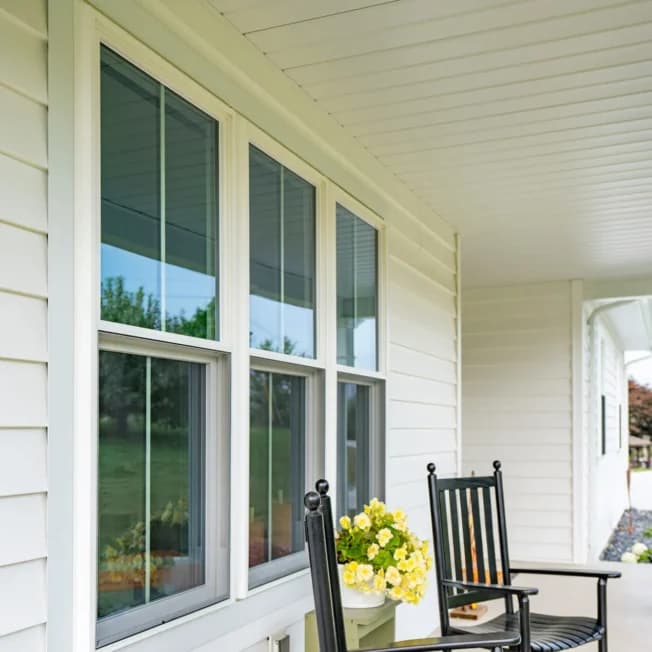
This Old House puts the national average around $729 per window installed. That number is a reasonable starting reference, but it is a national average, not a quote for your house. The real number depends on material, how many openings you are doing, and what your crew finds once the old window comes out, all of which this post walks through.
When people say a window "costs" a certain amount, they are usually thinking of one number, but that number is actually four things stacked together. There is the unit itself (the window, priced by size, material, and features). There is labor, which isn't the same job every time, an insert replacement and a full-frame replacement take different amounts of time and skill. There is disposal of the old sash, frame, and any glass that comes out in pieces. And there is trim and finish work on both sides of the opening, which can be a quick caulk line or a full interior casing rebuild depending on what is there already.
Most quotes bundle all four into one line, which is convenient but also why two numbers for "the same window" can be a thousand dollars apart without either one being dishonest. They are usually pricing different combinations of those four things.
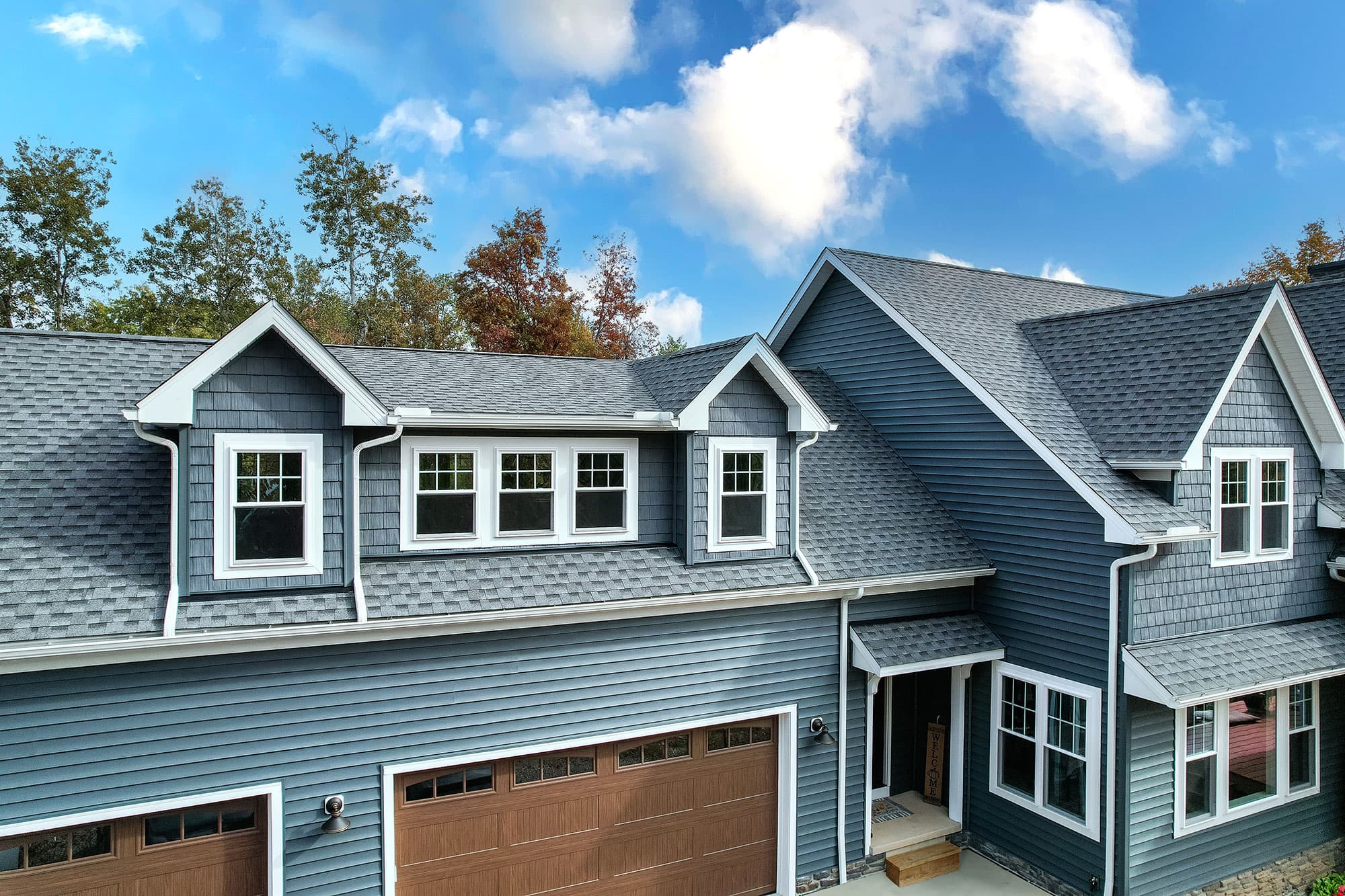
What actually moves the price
Frame material is the biggest lever. Vinyl is the default for most Lancaster County homes for a reason: it doesn't need painting, it holds up to weather without much maintenance, and it is the least expensive material to manufacture and install. Wood, including wood-clad units, costs more because it is more labor-intensive to build and it needs upkeep over its life, but on an older or historic house it can be the only option that looks right. Aluminum is durable and slim-profiled, which shows up in additions and some commercial-adjacent applications, but a standard aluminum frame is a poor insulator unless it has a thermal break built in, so it isn't a common pick for a Pennsylvania winter. Fiberglass sits above vinyl in price and holds its shape better across big temperature swings, which matters if your openings get direct sun for half the day and shade the other half.
Insert versus full-frame replacement changes the labor number by a lot. An insert job leaves your existing frame in place and fits the new window inside it, which is faster and keeps your existing trim intact. Full-frame replacement takes everything out, down to the rough opening, which costs more in labor but is the right call when there is rot, when you are changing the size or style, or on older construction where there is no square modern frame left to insert into. We cover the difference in more depth on the window replacement page, but the short version is that whichever one your house needs isn't really a choice, it's a diagnosis, and it's one we make during the measuring visit, not over the phone.
How many openings you are doing at once matters more than most people expect. A crew that is already on site, set up, and mobilized for eight windows has better per-unit economics than the same crew making a separate trip for one. If you know you will eventually replace several windows, doing them together usually beats spacing them out over a few years, purely on labor efficiency.
Rot discovered once the old unit is out is the honest wildcard in this whole list. A frame can look fine from outside and still have soft wood under the sill or around the jamb that nobody sees until the old window is physically removed. When that happens, the scope of the job can change mid-install, from a clean insert swap to a full-frame job with some structural repair added in. This is exactly why an in-person measurement before the work starts matters so much, and it is also why we would rather flag a possible complication up front than surprise you with one halfway through a Tuesday.
Custom or historic shapes cost more because they aren't stock sizes coming off a factory line. Arched tops, oversized picture windows, and openings sized to match a historic district's original proportions all require custom fabrication, which takes longer to order and costs more per unit than a standard double-hung. If you are working on an older home, it is worth reading our notes on windows and doors on older houses and our longer piece on replacing windows in an older home, since the cost math there runs differently than it does on a house built in the last thirty years.
One more cost question worth answering directly, since people search for it a lot: the cost to replace storm window glass alone, without swapping the whole unit, is almost always cheaper than a full window replacement. If your primary window and frame are sound and the only problem is a cracked or fogged storm pane, that is a repair, not a replacement, and it belongs on our window repair page rather than this one. We also cover that specific decision, storm window versus full replacement, in our post on single-pane windows.
Budget windows: what the word actually buys you
"Budget windows" isn't a dirty phrase. Most homeowners are budget-conscious, and a well-made entry-level vinyl window installed correctly will serve a house fine for decades. The honest question is which corners a lower price is actually cutting, because some corners don't matter and others do.
Reasonable places to save: color and grille pattern options (a plain white window with no grilles costs less to manufacture than a custom-color unit with a colonial grid pattern), simpler frame profiles, and standard operating styles like double-hung instead of casement or bay, which require more hardware and more precise fabrication. None of that affects how well the window keeps weather out.
Places you should not save: the glass package, meaning the Low-E coating and gas fill that do the actual work of keeping heat in during winter and out during summer, and installation quality. A cheap window installed poorly, with a sloppy shim job, no flashing, or a rushed spray-foam bead, will underperform a mid-range window that was measured, set, and sealed correctly. The window is maybe a third of what determines how that opening performs over the next fifteen years. The install is the rest.
Why nobody serious quotes a number over the phone
A phone estimate is a guess dressed up as a number. An in-person measuring visit is where we actually lock in the things that determine price: the exact rough opening dimensions, whether the existing frame is still square, the condition of the sill and jamb, whether trim needs to be replaced or can be reused, and whether the job is an insert or a full-frame situation. None of that is visible over a phone call, and pricing it as if it were just means eating the difference later, either us or you.
Once we have measured and put a number in front of you, that number holds. A written quote from us stays good for thirty days, so you aren't pressured into signing on the spot, and you have time to get a second number to compare it against if you want one.
Common mistakes
A few patterns show up often enough that they are worth naming directly.
- Comparing two quotes that aren't actually the same job. If one company priced an insert replacement and another priced full-frame, you aren't comparing prices, you're comparing two different scopes of work that happen to involve the same window opening.
- Choosing based on the sticker price of the window unit alone. The window brand and model is one line item. Labor, disposal, and finish work are the rest of the bill, and a lower unit price with a rushed install can cost more in the long run through drafts, callbacks, and early failure.
- Assuming the cheapest bid saves money long-term. Sometimes it does. Often it means the installer is cutting time somewhere you can't see from a finished caulk line, and you find out what got cut the first cold winter.
- Skipping the measuring visit to save time. An accurate quote takes one visit. A wrong quote based on rough estimates from a homeowner's own tape measure can be off by enough to change which of the two methods above even applies.
Frequently asked questions
How much does it cost to replace one window?
It depends on the material, the size, and whether the job is an insert or full-frame replacement, which is why we don't quote a number without seeing the opening. This Old House's national average of $729 per window is a fair starting reference, but your actual number could land above or below that depending on those factors.
How much does a whole house of new windows cost?
Whole-house jobs usually price better per window than doing them one at a time, since a crew already on site for eight windows has better labor economics than eight separate trips. The total still depends heavily on material, opening count, and whether any openings need full-frame work versus a simple insert.
Are cheaper windows worth it?
A well-made entry-level vinyl window installed correctly will last for decades, so budget windows aren't automatically a bad choice. What matters is where the savings come from. Fewer color and grille options is a fine place to save money. A weak glass package or a rushed install is not.
Why do quotes vary so much between companies?
Usually because they aren't pricing the same scope. One company may be quoting an insert replacement, another a full-frame job. Material grade, crew experience, and how much disposal and trim work is included all shift the number too, even for what looks like the same window on paper.
Does a written quote expire?
Ours stays good for thirty days after the measuring visit. We would rather you take the time to compare numbers or think it over than feel pressured to sign the day we hand you the quote. If a company pushes a today-only price, that is worth treating as a red flag, not a deal.
Want a real number instead of a guess?
We measure every opening on site before we quote it, whether it turns out to be one window or a whole house. The visit and the quote are both free.
Get a Quote