The window or door you pick matters less than most people think. Who installs it matters more. A good unit put in badly will leak, draft, and stick; an ordinary unit put in well will quietly do its job for decades. So the real decision is the contractor, and there are a handful of things worth checking before you sign anything.
Around Lancaster County there's no shortage of people who will replace windows and doors: big regional brands with showrooms and TV ads, one-truck crews that work by word of mouth, general contractors who do windows alongside decks and kitchens. Any of them can be the right call. What separates a good experience from a bad one has very little to do with the size of the company and a lot to do with a few habits you can spot before the first measurement.
1. Check the Pennsylvania registration first
Pennsylvania requires most home improvement contractors to register with the Attorney General's office under the Home Improvement Consumer Protection Act. The registration number has to appear on contracts, estimates, and advertising, and you can look any contractor up yourself on the state's HIC search. It takes a minute. If a contractor can't give you a number, or the name on the registration doesn't match the name on the truck, that's your answer.
Registration isn't a skill test, it doesn't prove anyone is good at the work. But it does mean the contractor carries liability insurance at the levels the state requires and has a record the state can act on if something goes wrong. Ours is PA HIC #PA227671, and it's printed on every estimate we write.
2. Read the reviews, but read them the right way
A star average tells you less than the reviews themselves. Look for detail: did the reviewer mention the crew by name, the town, what kind of window or door, how the cleanup went? Detailed reviews are hard to fake and they tell you what the company is like on an ordinary Tuesday, not on its best day.
Spread your reading across more than one site, because different people review in different places. Google is the obvious one. Houzz is useful for remodeling work because reviews sit next to project photos, so you can see the work the review is talking about (ours is on our Houzz profile). ProvenExpert collects verified customer feedback rather than open reviews, which cuts down on the fake ones; you can see how our ProvenExpert page works as an example. And the Better Business Bureau is still worth a glance, mostly for how a company responds when a complaint does come in.
One more thing: pay attention to the replies. A company that answers a bad review calmly and offers to come back out is telling you how it handles problems. A company that argues with customers in public will argue with you in private.
3. Ask who actually does the install
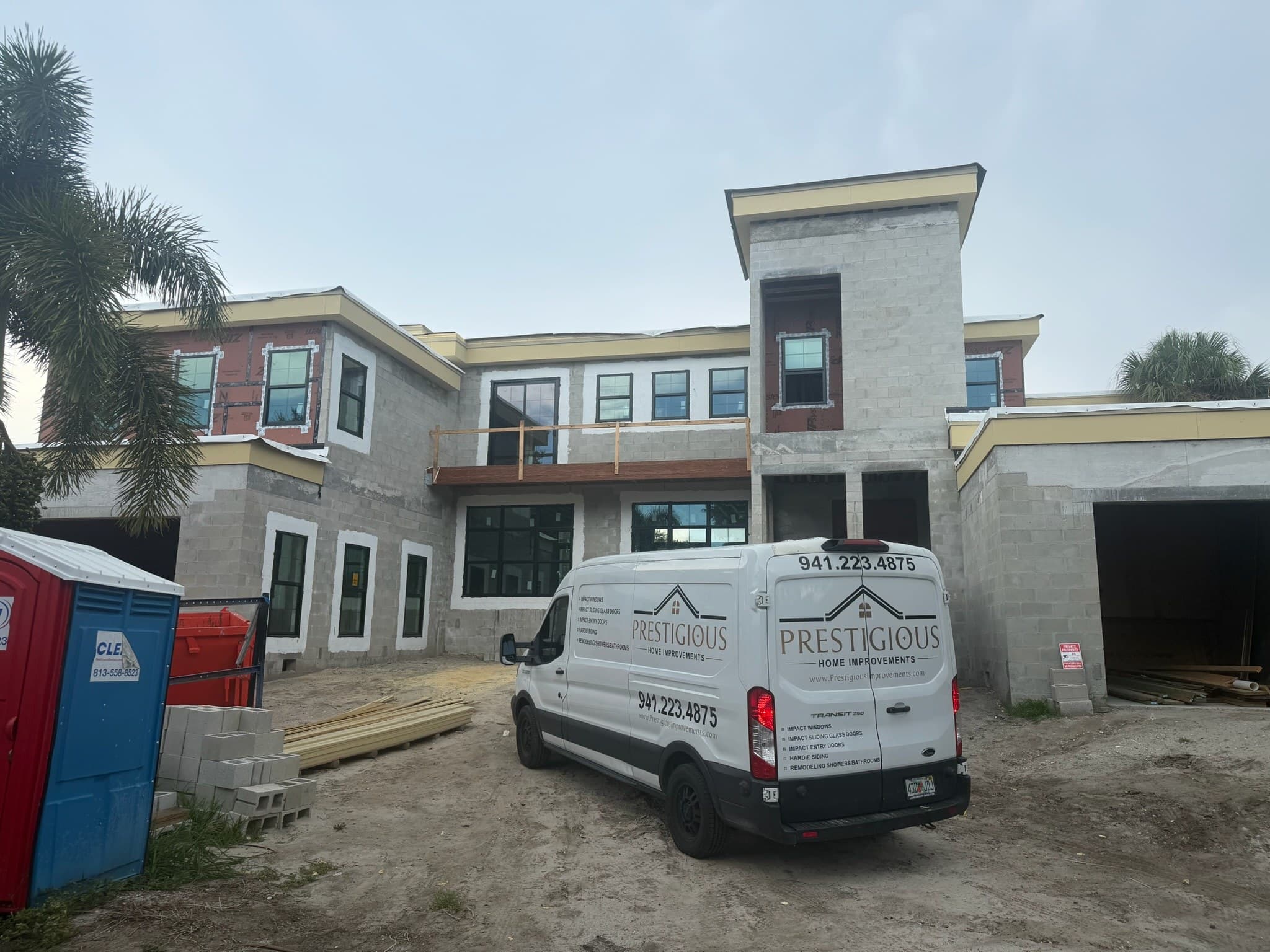
This is the question most homeowners don't think to ask, and it explains a lot of bad installs. Plenty of window companies sell the job with their own salesperson and then hand the installation to a subcontracted crew paid by the opening. Nothing about subcontracting is automatically bad, but it means the person who promised you something isn't the person doing it.
Ask directly: "Who will be at my house on install day, and are they your employees?" Then ask whether the person measuring is part of that crew. On our jobs the crew that measures is the crew that installs, partly because older Lancaster County homes rarely have openings that are square or standard, and the measurement is where most of those surprises get caught.
4. Get the quote in writing, and read what's in it
In Pennsylvania, home improvement contracts over a small threshold have to be in writing, signed by both sides, and must include the contractor's registration number, a description of the work, the price, and start and finish dates. You also get a three-day right to cancel after signing. Those rules exist because the verbal-handshake version of this business went badly for a lot of people.
A good written quote also answers these, without you having to ask:
- Exactly which product. Brand, series, glass package, color. "Vinyl double-hung" is not a product.
- Insert or full-frame. Whether the old frame stays or comes out changes the price, the result, and the trim work. We explain the difference in insert vs. full-frame replacement.
- What happens to the trim and the old units. Is interior trim reused, replaced, or patched? Is exterior capping included? Who hauls the old windows away?
- What happens if they find rot. In older houses they often do. A good quote says how hidden damage gets handled and priced before it happens, not after.
5. Watch out for the pressure tactics
You've probably heard of the in-home pitch that ends with "this price is only good if you sign tonight." It's still common in this industry, and there's no honest reason for it. Material prices don't change overnight. A company that needs you to decide before you can compare quotes is telling you it doesn't expect to win a fair comparison.
Other things that should slow you down:
- A quote given over the phone without anyone measuring.
- A deposit request that's most of the job. Pennsylvania caps deposits on larger jobs at a third of the price, plus the cost of special-order materials.
- A "lifetime warranty" nobody will put the terms of in writing.
- Pushing full replacement when you asked about a repair.
That last one matters to us. A lot of the windows and doors we look at need a repair, not a replacement, and our repair-or-replace guide walks through how we make that call.
6. Ask about lead paint if your house is older than 1978
Window replacement disturbs painted surfaces, and in a house built before 1978 there is a real chance some of that paint contains lead. Federal rules require contractors working on those homes to be certified in lead-safe work practices and to contain and clean up dust properly. A lot of the housing stock in towns like Ephrata, Lititz and the older blocks of Lancaster city falls in that range. Ask the question; a good contractor will answer it without hesitating.
7. Notice how they talk about your house
The last check is the hardest to write down. A good contractor asks about your house before talking about their product. How old is it? Which rooms are drafty? Which windows do you actually open? Is the problem comfort, appearance, a failed seal, or resale? Those questions are what turns a generic quote into one that fits your home.
If the conversation is mostly about the company's awards and the brand of vinyl, and very little about your windows, the install will probably go the same way.
Frequently asked questions
How do I check if a contractor is registered in Pennsylvania?
Use the Attorney General's Home Improvement Contractor search at hicsearch.attorneygeneral.gov. Search by the company name or the PA number on the estimate. The registration should match the business name you're signing with.
How many quotes should I get for new windows?
Two or three is the sweet spot. Fewer and you have nothing to compare; many more and the quotes start to blur together. Make sure each one is for a comparable product and the same type of installation, insert or full-frame, or the prices won't mean much side by side.
Is a big window company better than a small local installer?
Neither is automatically better. Large companies often have showrooms and financing; small crews often have the same people measuring and installing. What matters is registration, insurance, detailed reviews, a clear written quote, and who actually does the install.
How much deposit is normal for window replacement?
Pennsylvania law limits deposits on home improvement contracts over $1,000 to one third of the price, plus the cost of any special-order materials. Custom windows are usually special-order, so a deposit that covers the product is normal. A request for most of the job up front is not.
What should a window replacement quote include?
The exact product (brand, series, glass), the installation method, how trim and exterior capping are handled, removal and disposal of the old units, how hidden rot will be priced, the timeline, the warranty terms, and the contractor's PA registration number.
Want a second opinion on a quote you already have?
We're happy to look at your windows or doors in person and tell you what we'd do, even if you already have another quote in hand.
Get a Quote