A basement window only has to meet egress code if the room is used, or will be used, as a bedroom or other sleeping space. If it's just storage, a workshop, or a mechanical room, the window mainly has to open, seal, and keep water out, and that's a smaller, cheaper job than most people expect walking in.
Basement windows live in a different world than the ones upstairs. They sit at or below grade, which means the ground itself pushes and settles against the frame year after year, moisture wicks up from the soil outside, and whatever water hits that section of the foundation has to go somewhere before it reaches the glass. A window two stories up deals with wind, sun, and maybe some ice buildup. A basement window deals with all of that plus dirt pressure, freeze-thaw cycling right against the frame, and a window well that either does its job or doesn't.
Because of that, most basements use hopper, slider, or awning-style windows instead of a double-hung sash. A hopper tilts in from the top on hinges at the bottom, a slider pushes sideways along a track, and an awning cranks outward from a hinge at the top. All three can vent a room without needing the tall swinging clearance a full sash window requires, which matters because basement openings are often shorter and wider than anything else in the house. If you want to see the fuller range of styles we install throughout a house, our window replacement page covers those; this post stays focused on what's different below grade. None of that changes what the window legally has to do if the basement gets finished into a bedroom, though, and that question is worth settling before anyone measures for glass.
Egress code, in plain English
If the basement is being finished as a bedroom, or as any room the code treats as a sleeping space, the window has to double as a second way out in a fire, not just as a window. The International Residential Code's emergency escape and rescue opening requirements lay out the actual numbers: a net clear opening of at least 5.7 square feet, a net clear height of at least 24 inches, a net clear width of at least 20 inches, and a sill no higher than 44 inches above the finished floor. Those figures work together rather than separately, so a window that's plenty wide but too short, or plenty tall but too narrow, can still fail the check even though it looks like a reasonably sized window from across the room.
We say International Residential Code because that's the model code most Pennsylvania municipalities start from, but "most" isn't "all," and towns amend details more often than people expect. The honest answer is that your local building department has the final word on your specific project, not a blog post, not a window catalog, and not us guessing from a photo you texted over. We check a basement opening against code before we quote an egress job, not after, and if you're not sure which township rules apply where you live, our service area page is a decent starting point for figuring out who to call.
Window wells: the part people forget about
A basement window that sits below grade needs a window well, and the well does more work than most people give it credit for. Underneath it there should be a bed of gravel deep enough to let water drain down and away instead of pooling against the glass, and on some jobs that gravel bed ties into a drain that runs to a sump system rather than just hoping the ground handles it on its own. A well with no real drainage underneath it is just a bucket built into your foundation wall, and it behaves like one during a hard rain.
On top of the well, a cover keeps leaves, mulch, and the occasional confused chipmunk out of the space, which matters for keeping the gravel bed from silting over as much as it matters for keeping the window itself clean. And if the well is deep, the same code numbers mentioned above require a permanently attached ladder or steps once the well passes 44 inches deep, since a window that's technically the right size for escape is useless if there's no way to climb up and out of the hole on the far side of it.
Here's the part that actually saves people money: a lot of what gets blamed on a "leaky basement window" is really a failing window well. Rusted-out well material, a cracked cover letting water sheet straight down the inside wall, or gravel that has silted over and stopped draining will all show up indoors as water around the window, and re-caulking the sash over and over won't fix any of it. We look at the well before we ever touch the window, because replacing a perfectly good window over a bad well just means you'll have the same complaint again next spring, except now there's a new window getting blamed for an old drainage problem.
Repair vs. replace at grade
Some basement window problems really are simple repairs. Surface rust on a metal frame, a slightly bent sash that still seats and locks properly, or hardware that has seized up from years of humidity can often be cleaned up, adjusted, or swapped without touching the frame or the well at all. If you're not sure which side of that line your window falls on, the general signs in our repair-or-replace guide still apply below grade, they just get weighed against a couple of extra basement-specific factors.
Where it stops being a simple repair is persistent water intrusion. If water gets in around a basement window every time it rains hard, and it isn't tied to one specific storm or a clogged gutter overhead, that's usually a sign the frame, the sealant, and the well all need attention together, not one more bead of caulk around the sash. Caulk is a cosmetic fix for what is often a structural drainage problem. It looks dry for a few months, and then the same wet spot shows up on the same wall, except now there's old caulk residue to clean off before anyone can do the job properly.
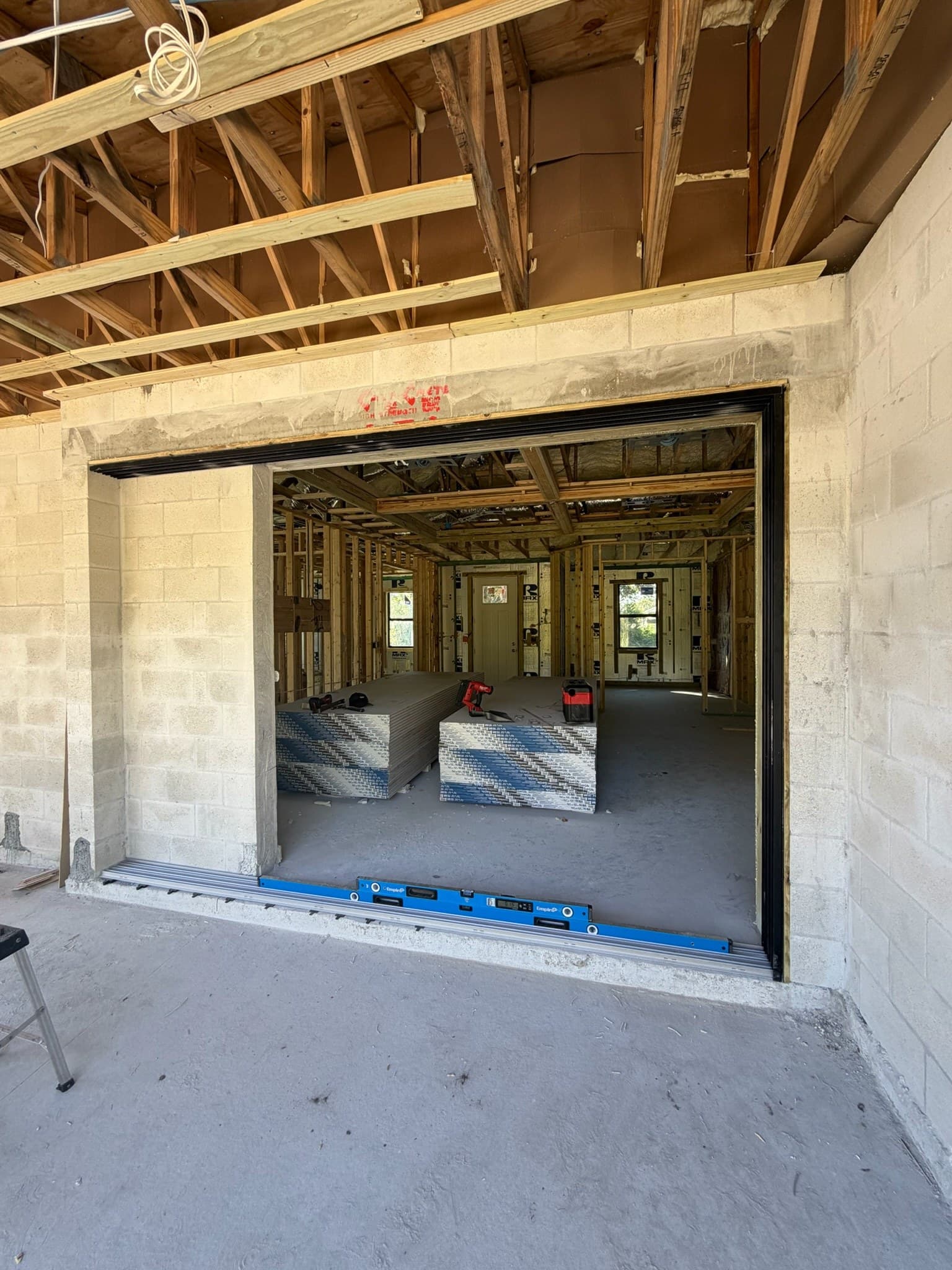
This comes up often on older Lancaster County homes with stone or block foundations, where the original basement openings were cut smaller and rougher than anything built today. Meeting egress size on a foundation like that sometimes means cutting a larger opening through masonry, not just swapping the glass and sash, which is a heavier job than it looks like from outside. If you're weighing that kind of work against everything else an old house's windows need, our page on older homes is worth a look before you commit to one basement opening in isolation.
Common mistakes
A handful of mistakes show up over and over on basement window jobs, and most of them are avoidable if you catch them before work starts instead of after.
- Finishing a basement bedroom before checking egress. This is the expensive one, because it often gets discovered during a home sale inspection or a permit review long after the drywall, flooring, and closet are already in, and by then the fix means tearing into finished work to get at the foundation.
- Picking a window well cover by looks instead of load rating. A cover that isn't rated to bear weight is a real safety issue, not a cosmetic detail, since kids, pets, and the occasional forgotten lawn chair all end up standing on window well covers eventually, planned for or not.
- Treating drainage as optional and re-caulking instead. Grading that slopes toward the foundation, a downspout that dumps right next to the well, or a well with no gravel base underneath will keep producing the same leak no matter how many tubes of caulk go into the joint.
- Calling an opening "close enough" on egress sizing. A window that's an inch short on clear width or an inch too high at the sill doesn't pass most of the code, it just doesn't pass, and that's not a number an inspector can round in your favor.
Basements aren't the only room in the house that gets treated as an afterthought. If you're working through a list of overlooked spaces, attics run into a similar pattern of being ignored until a renovation forces the issue, and our piece on attic window replacement covers that side of the house.
We'd rather tell a homeowner flatly that they don't need an egress window in a laundry room than let them talk themselves into a full window well dig-out nobody's ever going to use for anything except storing paint cans. That's a real cost difference, sometimes a few thousand dollars, and it only matters if the space is actually going to be a bedroom someday.
If you tell us up front that the basement might get finished into a bedroom eventually, that changes the conversation, and we'll walk through what sizing the opening for that future use would cost now versus redoing it later. But we're not going to quote code-sized work on a storage room because it sounds more thorough on paper. The window that solves your actual problem is the right window, and padding the job doesn't make us look more careful, it just makes the invoice less honest.
Frequently asked questions
Does every basement window need to meet egress code?
No. Egress code applies to a room that's used, or intended to be used, as a bedroom or other sleeping space. A basement used for storage, laundry, or a workshop just needs a window that opens, seals, and holds up against ground moisture. What triggers the code is how the room is used, not the fact that it's below grade.
What size does an egress window actually need to be?
Under the International Residential Code, an egress opening needs a net clear area of at least 5.7 square feet, a clear height of at least 24 inches, a clear width of at least 20 inches, and a sill no higher than 44 inches off the finished floor. Pennsylvania townships adopt this code with local amendments sometimes, so confirm the exact figure with your building department before finalizing a size.
Why does my basement window leak every time it rains?
Most of the time the window itself isn't the real problem, the window well is. A cracked or rusted well, a clogged or missing gravel drain bed, or grading that slopes toward the foundation will all show up indoors as water around the window frame. Re-caulking the sash treats the symptom without touching the actual source.
Can a basement window well be repaired instead of replaced?
Sometimes. If the well material is still intact and the problem is clogged drainage or a missing cover, cleaning it out and rebuilding proper drainage can solve it without a full well replacement. If the well itself is rusted through, buckling, or was never sized correctly for the window, repair is usually a short-term patch and full replacement is the honest call.
Do I need a permit to install an egress window?
In most places, yes, since the work usually involves cutting or enlarging a foundation opening and adding structural support around it. Exact permit requirements vary by municipality, though, so it's worth a call to your township's building department before work starts rather than assuming either way.
Not sure if your basement window needs to meet code?
Tell us how the space is used now, and how you might use it later, and we'll measure the actual opening before quoting anything.
Get a Quote