
Three seals, and usually only one is actually leaking
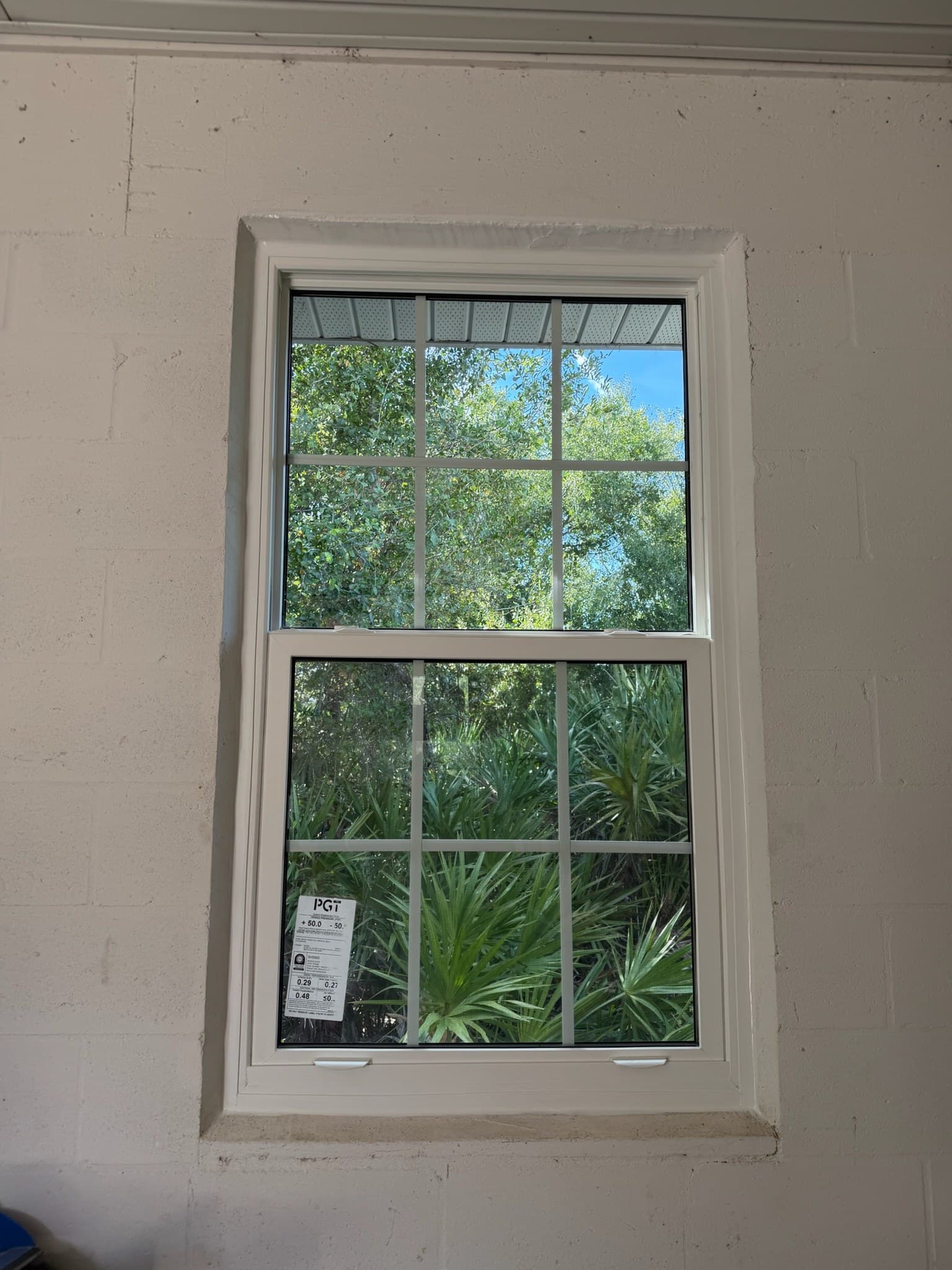
A window that feels drafty is sealed in three separate places, and they fail on different schedules for different reasons, which is why we check them independently rather than replacing everything at once. The sash seal is the weatherstrip running around the sash itself, compressed against the frame when the window is locked. The meeting rail is the horizontal seal where the top and bottom sashes of a double-hung overlap and lock together, a joint that takes more wear than any other point on the window because it moves every time the sash does. The perimeter is the caulk line between the outer frame and the rough opening in the wall, which has nothing to do with the window mechanism at all and everything to do with how the unit was installed years or decades ago.
All three feel roughly the same to a hand held near the glass on a windy day, which is exactly why guessing gets people nowhere. We check the sash seal by running a hand along the compression point with the window locked, looking for gaps, flattened or missing weatherstrip, or a lock that isn't actually pulling the sash tight anymore. The meeting rail gets the same treatment, plus a look at whether the lock itself is drawing the rails together the way it's supposed to, since a worn or misaligned lock can leave a visible gap even with good weatherstrip underneath it. The perimeter caulk gets checked from outside, looking for cracking, separation from the siding or trim, or caulk that has simply aged out and pulled away from one side of the joint. Whichever one is actually failing gets fixed. The other two get left alone rather than resealed on a guess.
The weatherstrip types we actually replace
Weatherstrip isn't one product, and matching the right type to the channel it sits in matters more than most people expect. Leaf weatherstrip is a thin strip of metal or vinyl, sometimes called a fin seal, set into a track and designed to flex against the sash as it slides past. Bulb weatherstrip is a compressible tube, usually vinyl or foam-backed, that seals by being squeezed flat when the sash closes against it, common on meeting rails and sash stops. Pile weatherstrip, sometimes called brush seal, is a dense strip of fuzzy fiber set into a slot, most often found on sliding windows and casements where a sash moves across the seal rather than compressing straight into it. Kerf-in weatherstrip is a specific profile engineered to snap into a narrow slot, or kerf, routed directly into the frame or sash, standard on a lot of newer vinyl and wood windows and not something a generic peel-and-stick strip from a hardware store can substitute for. Getting the profile wrong means it either doesn't seat in the channel at all or seats loosely enough that it stops sealing within a season.
Re-glazing: a separate draft source on older wood windows
On a wood window with individual panes set in glazing putty rather than a single sealed unit, the putty itself is a fourth seal that weatherstripping never touches. Glazing compound dries out, cracks, and eventually falls away from the edge of the glass over years of sun and temperature swings, and where it has gone missing, air moves straight around the pane rather than through the sash or meeting rail at all. A window can have brand new weatherstripping on every moving joint and still feel drafty if the glazing along the panes has failed, which is why we check the glazing lines on any older wood window at the same visit rather than assuming weatherstrip is the whole story. Re-glazing is its own job, removing what is left of the old putty, cleaning the rabbet, and bedding the pane in fresh compound, and it gets quoted separately from the weatherstrip work since the labor and material are different.
Doing this ahead of winter, not during it
Fall is the right time for this work, not because a draft in December is any harder to fix, but because the materials involved want mild weather to do their job properly. Fresh glazing compound and exterior caulk both need time and a reasonable temperature range to cure before they get tested by freezing overnight lows, and a weatherstrip profile that has to be special ordered to match an original channel takes lead time that's easier to plan for in October than to wait out in January with a cold room. We would rather do this work while it's comfortable to have windows open for twenty minutes at a time and the compound has weeks to set, not the week the first hard freeze already made the point for us.
For the broader picture of how to sort a draft from other window complaints before calling anyone, our guide to diagnosing window problems walks through that process in more depth. This page is about what the repair visit itself involves once the source is known.
Frequently asked questions
How do you tell which seal is actually causing a draft?
By checking the sash seal, the meeting rail, and the perimeter caulk separately, since they fail for different reasons and all three feel similar to a hand held near the glass. We test the lock and compression at the sash and meeting rail, and inspect the caulk line from outside, before deciding what actually needs replacing.
Can weatherstripping alone fix a drafty window, or does the glass matter too?
It depends on the window. On most modern windows, worn weatherstrip is the main draft source and replacing it solves the problem. On older wood windows with individual glazed panes, cracked or missing glazing putty around the glass is a separate seal that weatherstripping doesn't touch, and both may need attention.
What kind of weatherstripping do you install?
Whatever matches the channel already built into your window: leaf, bulb, pile, or kerf-in profiles. We match the original type rather than substituting a generic peel-and-stick strip, since the wrong profile either won't seat in the channel or stops sealing within a season.
Why should I get this done before winter instead of waiting until it's cold?
Glazing compound and exterior caulk both need mild weather to cure properly, and some weatherstrip profiles have to be ordered to match an original channel, which takes lead time. Doing this work in fall means it's fully cured and in place before the first hard freeze tests it, rather than being installed under pressure once a room is already cold.